
Understanding Listed Building Consent Before You Renovate
What Listed Status Really Means for Your Home
Listing is not a preservation order that freezes a house in time, and it is not a badge awarded to a pretty façade. It is a legal designation recognising a building's special architectural or historic interest, and it applies to the whole structure — inside and out — along with many things fixed to it, from panelling and fireplaces to staircases, shutters and cornices. Grade I and Grade II* are the rare, most heavily protected categories. The great majority of homes, from timber-framed cottages to Georgian townhouses and Victorian rectories, sit in Grade II, where the protection is still real but the scope for sensible change is often wider than owners fear.
Listing also reaches beyond the building itself. Structures within the curtilage — garden walls, gates, outbuildings, barns, dovecotes — can be treated as listed if they formed part of the property's setting and predate 1948. Many owners discover this only when a builder starts work on a "garden shed" that turns out to be a listed granary.
Consent Is Not the Same as Planning Permission
Listed building consent is a separate regime. Some projects need both consents, some need only one, and a fair number need neither. Applications for listed building consent do not attract a fee, which surprises people in both directions: some assume a free application must be trivial, while others are baffled when something so cheap comes with site visits, negotiation and a considered refusal. Your council normally has around eight weeks to determine the application, but complex schemes and back-and-forth discussions frequently run longer. Do not start work on the assumption of approval.
If you are buying a period property, ask about consent before you exchange contracts. It is far cheaper to walk away than to inherit an unauthorised extension, a stripped staircase or a roof that was re-covered without permission.
Where Renovations Usually Go Wrong: Windows, Roofs, Walls and Interiors
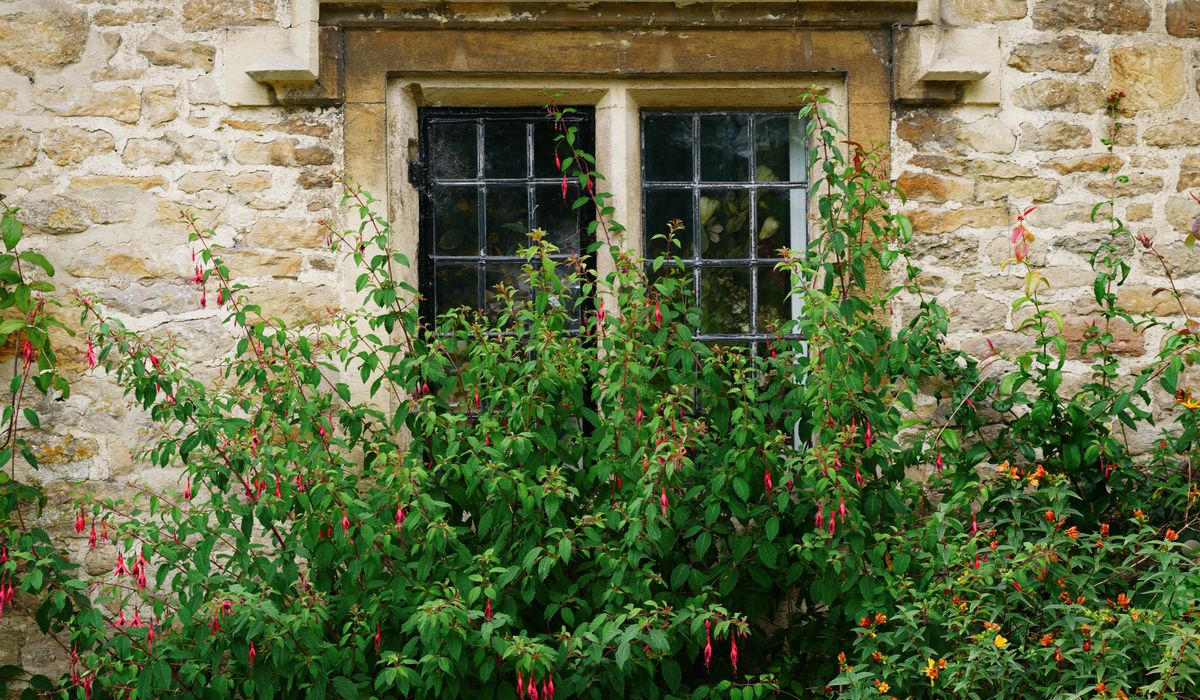
Original windows are the single most contested element in most listed renovations. Well-made timber sashes and casements, often from slow-grown timber, have already lasted a century or more. If frames are rotten, a good joiner can splice in new sections, replace sills and rehang sashes — frequently cheaper than full replacement and almost always more acceptable. Where warmth is the real concern, secondary glazing, draught-proofing, shutters and heavy curtains achieve more than people expect. Slim-profile double-glazed units in like-for-like timber frames are sometimes accepted where the originals are genuinely beyond saving.
Similar principles apply elsewhere:
- Roofs: repair with matching materials — stone slates, clay tiles, Welsh slate — reusing salvaged covering wherever possible. Changing the material, or laying something heavier, alters both appearance and structural load.
- Walls: cement render and modern waterproof paints trap moisture and cause decay in walls that need to breathe. Lime render, limewash and breathable finishes are usually the conservation-friendly answer.
- Interiors: consent often covers internal alterations that affect the building's character. Knocking through walls, boxing in panelling, removing a staircase or fireplace, lifting flagstones or covering historic plaster all count.
- Details: rainwater goods, chimneys, parapets, boundary walls and historic gates are easy to overlook — and easy for a conservation officer to spot.
Checking the Rules Early
Read the list entry for your building on the national heritage record, but treat it as a description rather than a definitive schedule of everything protected. Curtilage structures are often not mentioned at all, and later additions can still matter if they contribute to the setting.
Then speak to the conservation officer at your local planning authority. Most are generous with time on pre-application enquiries, and many will visit. Walking the building with them before you draw anything is worth more than weeks of second-guessing. While you are at it, check whether you are in a conservation area, whether an Article 4 direction removes permitted development rights, and whether any trees carry preservation orders. Add building regulations, party wall matters and — on older roofs and lofts — the possibility of protected bats, which can pause a project overnight.
Putting Together an Application That Stands a Chance
A convincing application is mostly about evidence and justification. Expect to provide dated photographs of every affected element, measured drawings with proposed changes clearly marked, and a heritage statement explaining what matters about the building, what your proposal does to it, and why the change is necessary. A schedule of materials and finishes helps enormously, as do joinery profiles, glazing details and mortar mixes.
Language matters here. Phrases such as minimal intervention, repair rather than replace, like-for-like and reversible are not jargon for its own sake; they describe a philosophy officers are looking for. If your proposal is unusual, offer a sample panel or a trial area so the result can be judged before the whole house is committed.
Getting It Wrong Is Expensive — and Getting It Right Is Rewarding
Carrying out unauthorised works to a listed building is a criminal offence, not a paperwork slip. Enforcement is not neatly time-barred in the way many owners assume; councils can act years later, and the remedy can include reinstating the original work at your own cost. A listed building enforcement notice, a prosecution, or an awkward question from a buyer's solicitor can turn a dream renovation into a very expensive lesson, and lenders and insurers can be unforgiving.
The reassuring news is that most owners find the process far less hostile than they feared. Conservation officers are not there to stop you living in the house; they are there to make sure it survives you. Do your homework early, keep clear records, choose trades who understand historic fabric, and ask before you act rather than after. Renovating a listed home is a privilege with strings attached — and handled well, it leaves you with a house that keeps its character, holds its value, and spares you the paperwork of regret.

4 Comments