
From RNGs to Royal Flushes: A Realist's Guide to iGaming
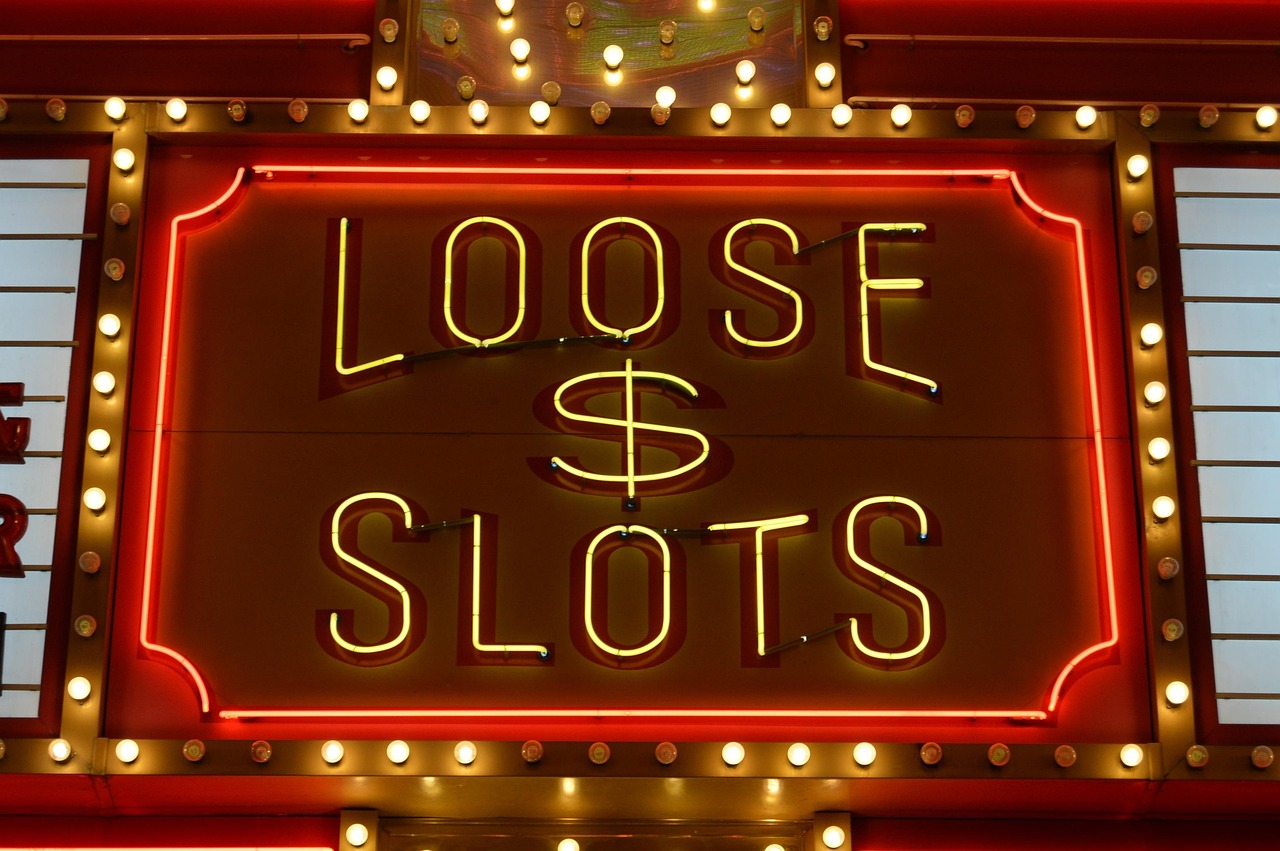
The first time I watched a friend turn a €20 deposit into €600 on a single bonus round, I understood why iGaming has become a global obsession. But I also watched him lose the next €500 without blinking. That duality — the thrill and the trap — is what separates players who enjoy this space from those who get destroyed by it. So let's talk about how modern casino, betting, slots, and poker ecosystems actually work, minus the hype.
The Engine Under the Hood: RNGs and House Edge
Every digital slot, virtual roulette wheel, and crash game runs on a Random Number Generator. It's not a metaphor — it's code that spits out thousands of outcomes per second, completely independent of your last spin. This means "hot streaks" and "due for a win" logic is pure fiction. The machine doesn't know you exist.
What matters far more is the Return to Player (RTP) percentage. A slot with 96% RTP theoretically returns €96 for every €100 wagered over millions of spins. That 4% is the house edge, and it compounds brutally over time. Compare that to blackjack, where perfect basic strategy can push the house edge below 0.5%, or video poker variants like Jacks or Better at 99.5% RTP. If longevity is your goal, game selection matters more than luck.
A quick reference on typical edges:
- Online slots: 2–8% house edge
- European roulette (single zero): 2.7%
- American roulette (double zero): 5.26%
- Blackjack with basic strategy: 0.5–1%
- Baccarat banker bet: 1.06%
Slots: Volatility Is the Number That Actually Matters
Ask ten players what slot they play and nine will mention theme or graphics. Ask a winning player and they'll mention volatility. Slot volatility describes how a machine distributes its wins. A low-volatility slot pays small amounts frequently — think Starburst with its 96.1% RTP and modest max win. High-volatility titles like Money Train 3 or San Quentin can go hundreds of spins without a meaningful payout, then dump 20,000x your stake.
Here's the practical takeaway: your bankroll management has to match volatility. On a high-volatility slot, covering 200 spins at minimum bet is realistic. If your €50 budget only allows 50 spins on that stake, you're burning through variance, not playing strategically.
Three slot features worth tracking: We found keonhacaii5.com.co to be a handy reference here.
- Max win caps — some slots cap at 5,000x, others at 100,000x. Bigger caps often mean lower hit frequency.
- Bonus buy cost — usually 80–120x your base stake. It removes the patience problem but not the math problem.
- Autoplay limits — regulated markets cap auto-spins for a reason. Use them as a stop-loss tool.
Poker: The Only iGaming Format Where Skill Actually Compounds
Poker is the outlier in this industry. You're not playing against the house — you're playing against other people, and the operator skims a rake of roughly 2.5–5% from each pot. That means a strong player can achieve a positive expected value over tens of thousands of hands. No slot, roulette spin, or sports bet offers that.
But here's the cold reality: 90% of online poker players lose money. The winners treat it as a psychology problem as much as a math problem. They choose tables where they're the best player, play fewer hands pre-flop, and study solvers. If you're grinding micro-stakes (€0.01/€0.02 blinds), the rake can eat 10bb/100 hands, which is why beating those games requires tighter discipline than most people bring.
Positional awareness is the fastest skill upgrade. On a six-max table, the button plays roughly twice as many hands as the big blind. That's not a tip — it's a measurable edge.
Sports Betting: Line Shopping and the Closing Line
Sportsbooks win because of the vig, usually 4–6% embedded in the odds on standard markets like the 1X2 football market. But the margin varies wildly between operators. On a Champions League match, you might see -110 at one book and -105 at another. Over a season of 500 bets, that 5-cent difference in price decides whether you're profitable.
Smart bettors track the closing line value — the difference between the odds you got and the odds available right before kickoff. Consistently beating the closing line is the single best indicator that you have a real edge, not a lucky streak. If your bets consistently home in on numbers worse than the market's final price, you're the product.
A few workable principles:
- Bet only markets you can research — obscure leagues often hide better value than the Premier League.
- Never chase a loss on a live market.
- Track every bet in a spreadsheet, including odds taken and closing odds.
Bonuses, Wagering, and the Fine Print That Bites
Welcome bonuses look like free money. They aren't. A typical "100% up to €200" offer comes with a 35x wagering requirement on the bonus amount. That means €7,000 in total bets before you can withdraw a cent, often with a maximum bet cap of €5 per spin and a 30-day expiry. Slots contribute 100% to wagering; table games often contribute 10% or less. Read the terms like you're signing a contract, because legally, you are.
Better strategy: skip the headline bonus and look for reload offers, cashback on net losses (usually 5–15% weekly), or free spin batches with low wagering. These small edges add up more reliably than a bloated match bonus.
Licensing, Fairness, and Knowing Your Operator
Any credible platform is regulated by a recognised authority — the UK Gambling Commission, MGA in Malta, KSA in the Netherlands, or state-level US regulators. Licences force operators to publish RTP data, submit to independent game audits (eCOGRA, iTech Labs), and provide tools like deposit limits, reality checks, and self-exclusion.
If a site advertises insane bonuses with no visible licensing, walk away. No exceptions. Your withdrawal experience matters more than an extra €50 on the signup, and unlicensed operators have a habit of disappearing with balances intact.
The Bottom Line
iGaming isn't a get-rich-quick machine, and anyone who tells you otherwise is selling a course. But it can be genuine entertainment with controlled stakes, decent entertainment value, and a fair RTP — provided you treat it like any other paid leisure activity. Pick your games by math, not marketing. Manage your bankroll before you chase a jackpot. Respect variance in the short term and understand the house edge in the long run. The players who do this are the ones still enjoying the space five years from now, while everyone else has moved on to the next shiny thing.

4 Comments