
Planning a Bonfire Night Gathering for Neighbours
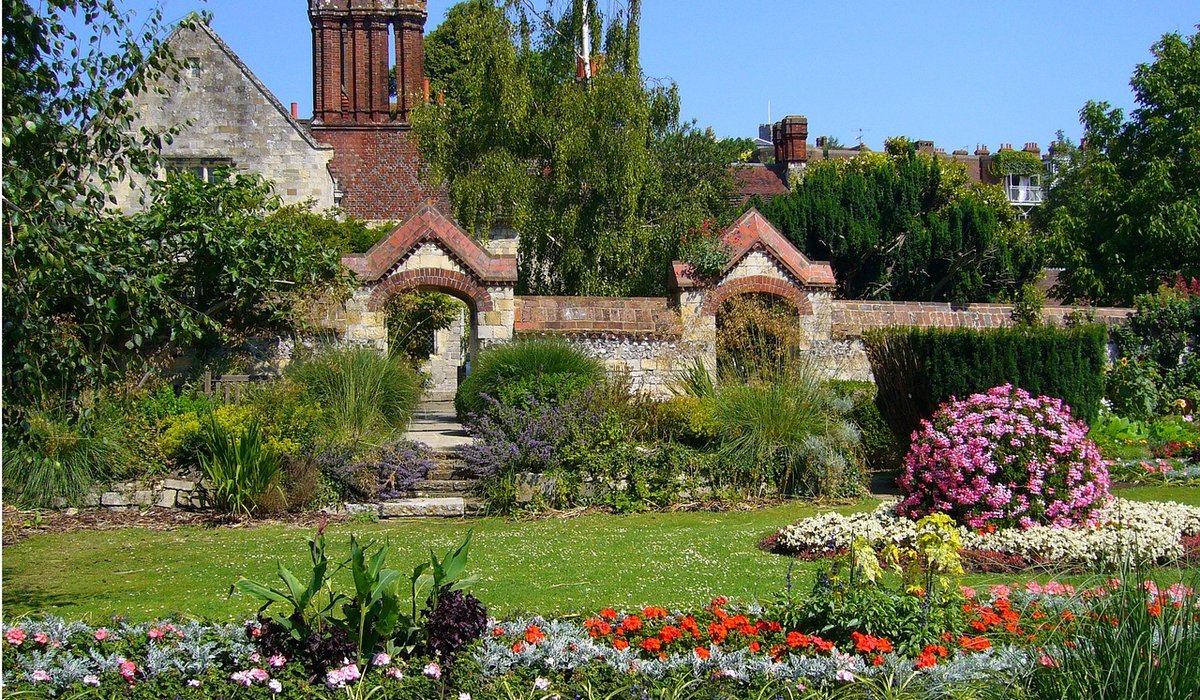
Bonfire Night has a way of drawing a whole street together. As the last leaves are swept from the drive and the evenings draw in, a gathering of neighbours around a crackling fire feels like one of the great British pleasures — all the better when the house behind it has a bit of history. Whether you are lucky enough to live in a rambling country manor with acres to spare or a quirky cottage with a garden the size of a postage stamp, a little forward planning goes a long way.
Choosing the Right Spot and Building the Fire
Position matters more than size. Pick a spot at least fifteen metres from the house, shed and any overhanging branches, and keep it well clear of fences and parked cars. If your home is listed or has thatch, timber framing or old outbuildings, be extra cautious — embers travel further than people expect on a breezy night. A sheltered walled garden or gravel area works beautifully, and a fire pit gives you more control than an open pile.
Build the fire on the day itself, using dry wood, newspaper and natural kindling. A simple checklist keeps the evening safe:
- Never burn treated timber or plastics, which give off unpleasant fumes.
- Keep a bucket of water, a bucket of sand and a first aid kit within reach.
- Nominate one responsible adult as fire keeper for the evening.
Simple Warming Food That Feels Generous
Bonfire food should be easy to eat standing up, with a mug in the other hand. The classics work because they are practical: jacket potatoes wrapped in foil and kept warm in a cool box, sausages in soft rolls with fried onions and mustard, and a slow cooker of vegetable soup or casserole with a ladle and a stack of sturdy cups.
For something sweet, parkin, bonfire toffee and toffee apples are all traditional for good reason — they are sticky, warming and cheap to make in bulk. A flask of mulled apple juice keeps children happy, and hot chocolate with a bowl of marshmallows disappears faster than you would believe. Ask each neighbour to bring one dish; a pot-luck table takes the pressure off you and gives everyone a reason to chat.
Sparklers, Safely Done
Sparklers are the heart of the evening for children, and they need very little to go right. Buy them from a reputable shop and check the packaging carries the British Standard mark. Light one at a time with a taper or long match, hold it at arm's length, wear gloves, and never run or wave them near others. Have a bucket of sand or cold water ready for spent sparklers — they stay hot for far longer than anyone expects, so they should go straight in the bucket rather than on the grass.
Keep a torch to hand for supervising little ones, and stay with children throughout. A quick glance around the garden afterwards will catch anything dropped in the dark.
A Quiet Corner for Pets and Nervous Guests
Fireworks are miserable for animals, so it is worth planning their evening first. Walk dogs well before dusk, then bring them inside and close the curtains, windows and cat flaps to muffle the noise. Small pets in hutches or outdoor runs should be moved into a shed, garage or utility room, with an extra blanket over the hutch for warmth and quiet.
Set up a snug room in the quietest part of the house — thick walls of an older property are a real advantage here — with a familiar bed, a favourite toy, water and a radio or television left on low. If you have a spare corner, this doubles as a retreat for any neighbour who finds the noise overwhelming, or anyone who simply prefers a chat indoors. Tell your neighbours in advance so they can plan for their own pets too.
Heritage Touches and a Warm Welcome
A little atmosphere costs very little. Lanterns along the path, a couple of hay bales for sitting, a basket of tartan blankets by the back door and enamel mugs rather than disposable cups all make the garden feel cared for. String a few warm-white fairy lights through a tree, and leave the porch light on so guests can find their way.
If your home has a generous kitchen or drawing room, throw the doors open and let people drift in and out to warm up. A table with a cloth, a jug of water and a plate of biscuits is more welcoming than anything elaborate. The real trick is simply to greet people, introduce neighbours who have not met, and let the evening take its own shape.
Clearing Up and Keeping the Goodwill
Let the fire burn down rather than dousing it abruptly, and never leave it unattended while it is still glowing. In the morning, check the ground for spent sparklers, bottle tops and any rubbish, and rake the ash into a metal bin once it is completely cold. Return borrowed chairs and cool boxes promptly, and if there is food left over, send a plate next door.
Bonfire Night is one of the few occasions that reliably brings a whole street into the same garden. With a little care around safety, a warm corner indoors and food that asks nothing of anyone, you will have started a tradition your neighbours look forward to all year.

4 Comments